
Health Library
Educational content from recognized health authorities.
All content is for educational purposes only. Consult a healthcare professional for medical advice.
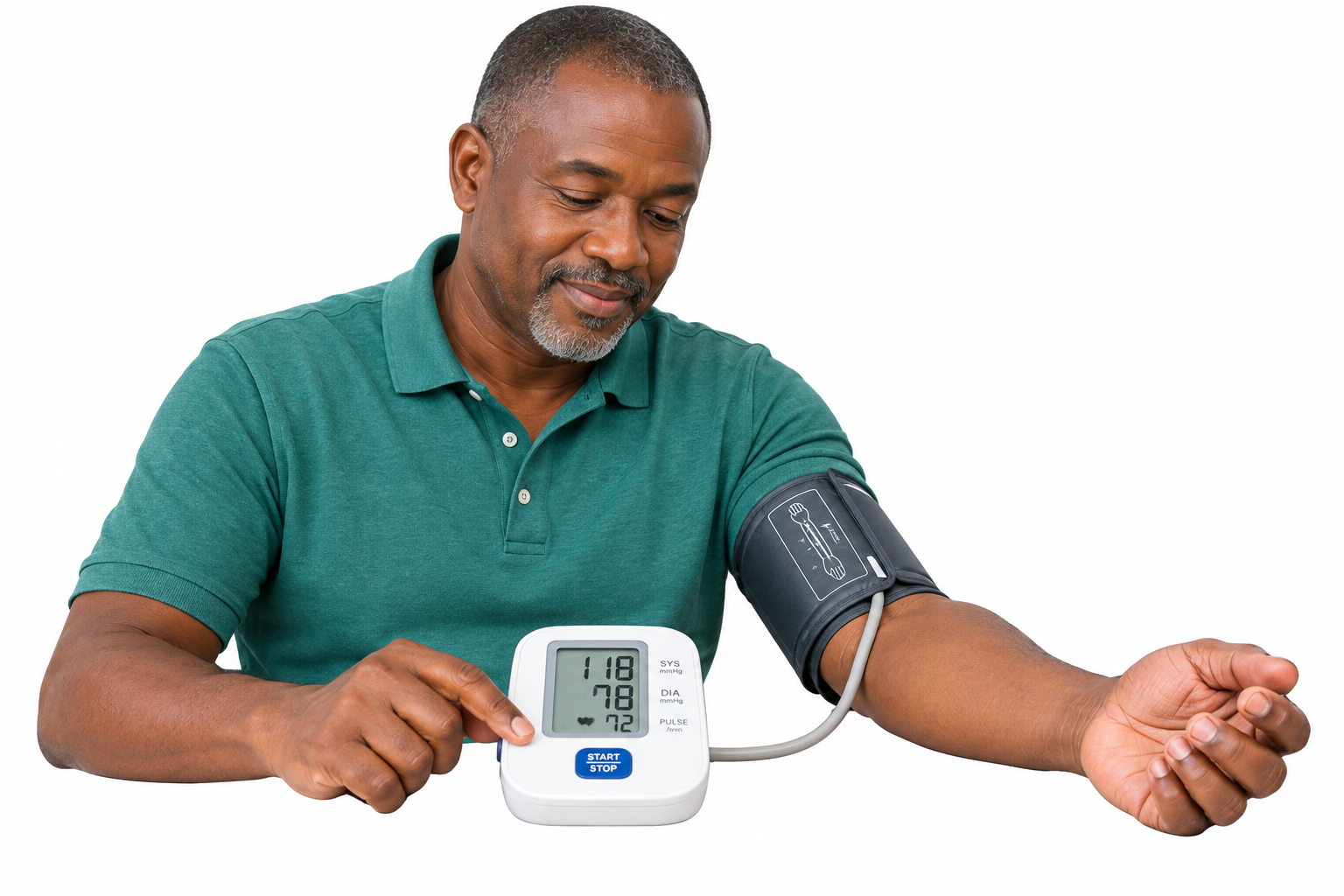
High Blood Pressure : Causes and Management
High blood pressure (hypertension) affects about one in three adults worldwide. This guide explains what blood pressure readings mean (systolic and diastolic), the difference between normal and high values, and how doctors diagnose hypertension. It covers common causes and risk factors (like diet, lifestyle, age, and family history) and explains why hypertension often has no symptoms. Learn about steps to manage and prevent high blood pressure through healthy habits and, if needed, medication

Understanding the First Trimester of a Pregnancy
The first trimester, covering the first 13 weeks, is a remarkable period of rapid change. A fertilized egg develops into a tiny fetus, with major organs forming, a heartbeat emerging, and tiny limbs appearing by week 12. Meanwhile, the mother may experience hormonal changes, morning sickness, fatigue, and increased blood volume. Discover the key nutrition, hydration, rest, warning signs, and self-care tips that can help support a healthy first trimester.

Planning for a Healthy Pregnancy
Preconception planning is vital for a healthy pregnancy. Women should adopt healthy lifestyle habits (balanced diet, exercise, avoiding tobacco and alcohol) and start taking folic acid well before conception. Managing chronic health issues (like diabetes, hypertension) and updating immunizations (e.g., rubella, flu) also help. Early prenatal care (ideally in the first trimester) ensures monitoring and support. These steps improve outcomes for mother and baby (Dr. Tanya Patil, OBGYN).

Healthy Eating Tips for Better Blood Sugar Control
Keep blood sugar steady with balanced meals and simple habits. Control portion sizes and choose whole grains over refined grains. Eat plenty of vegetables and fruits, and avoid sugary drinks by drinking water instead. Don’t skip meals, and pair healthy eating with daily activity. Small changes – like splitting plates and walking – can make a big difference in feeling better and keeping blood sugar in check.
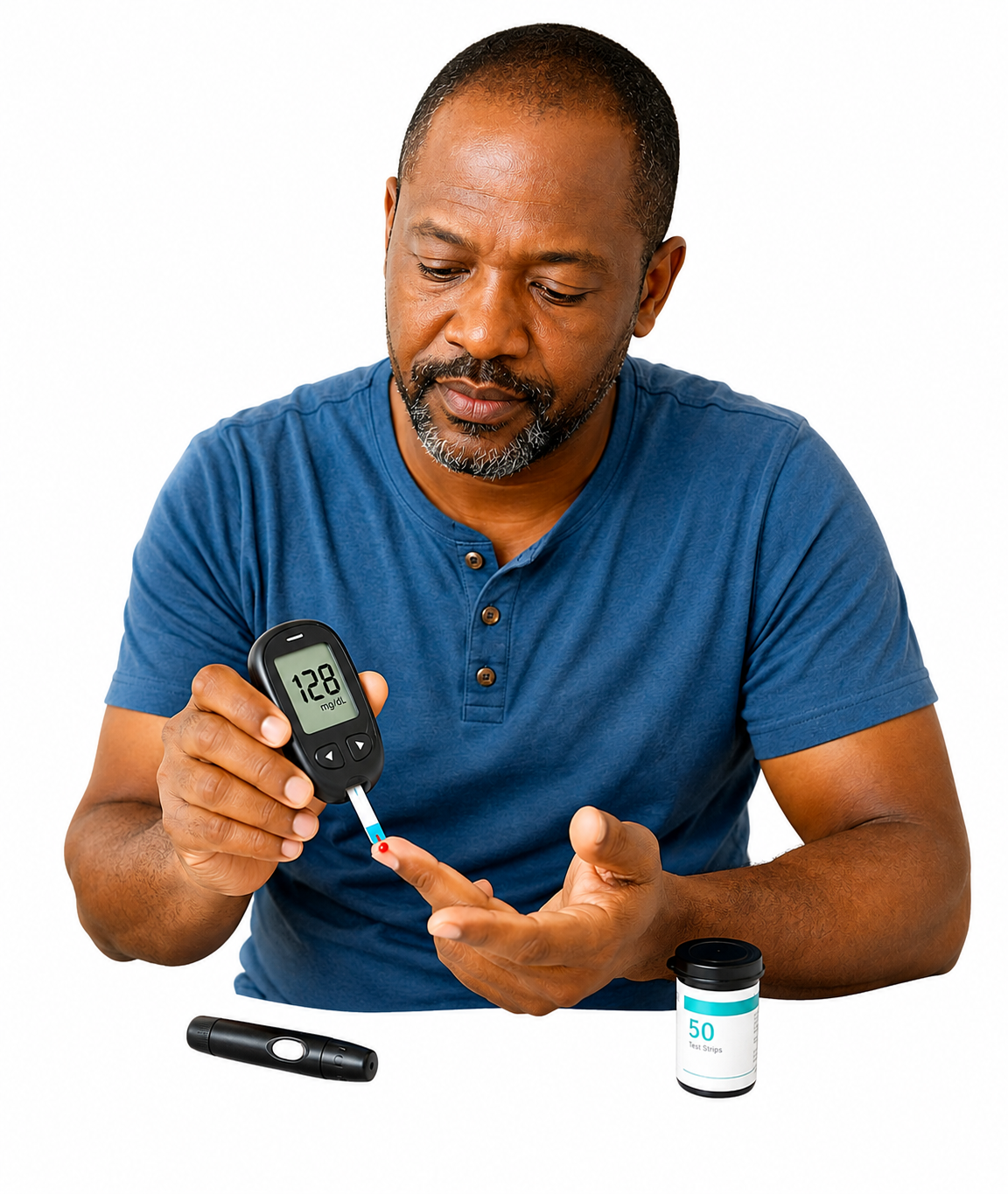
Understanding Blood Sugar Test Results
Blood sugar (glucose) tests measure how your body processes sugar. Common tests include fasting, random, post-meal, and A1C. Normal fasting glucose is 70–99 mg/dL (3.9–5.5 mmol/L); higher levels may indicate prediabetes or diabetes. Results can be affected by food, stress, or illness. This guide explains test types, normal ranges, result interpretation, home testing, when to seek medical care, and FAQs.

Understanding Your Menstrual Cycle
Menstruation is a natural monthly cycle, typically lasting 24–38 days, starting with Day 1 of bleeding. Ovulation usually occurs mid-cycle, followed by the luteal phase. Common symptoms include cramps, bloating, breast tenderness, and mood swings. Track your cycle to predict periods and fertile days. Exercise, a healthy diet, hydration, stress management, and pain relievers can help. Seek medical advice for very heavy bleeding, cycles under 21 days, or missed periods (if not pregnant).
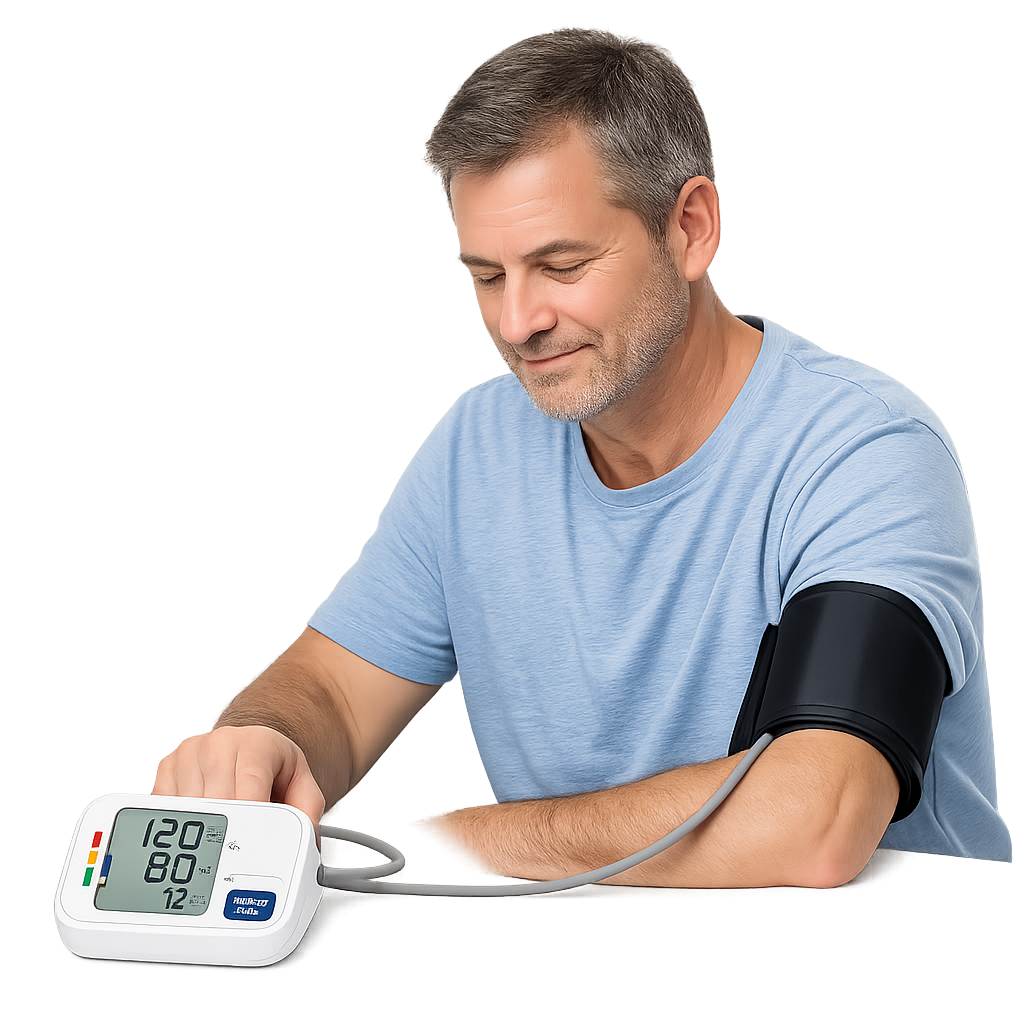
Understanding Blood Pressure
Understanding your blood pressure numbers helps protect your heart and overall health. Blood pressure is measured as systolic over diastolic, with normal levels below 120/80 mmHg. Because high blood pressure often has no symptoms, regular monitoring is essential. Learn how to interpret readings, measure accurately at home, recognize when to seek care, and use healthy lifestyle habits to keep your blood pressure under control.